IKEA Room Planner: How It Works and Smarter Alternatives
For many homeowners and renters, the IKEA Room Planner is often the first tool they encounter when planning a new space. It promises an easy way to visualize furniture layouts, experiment with room configurations, and preview designs in 2D or 3D.
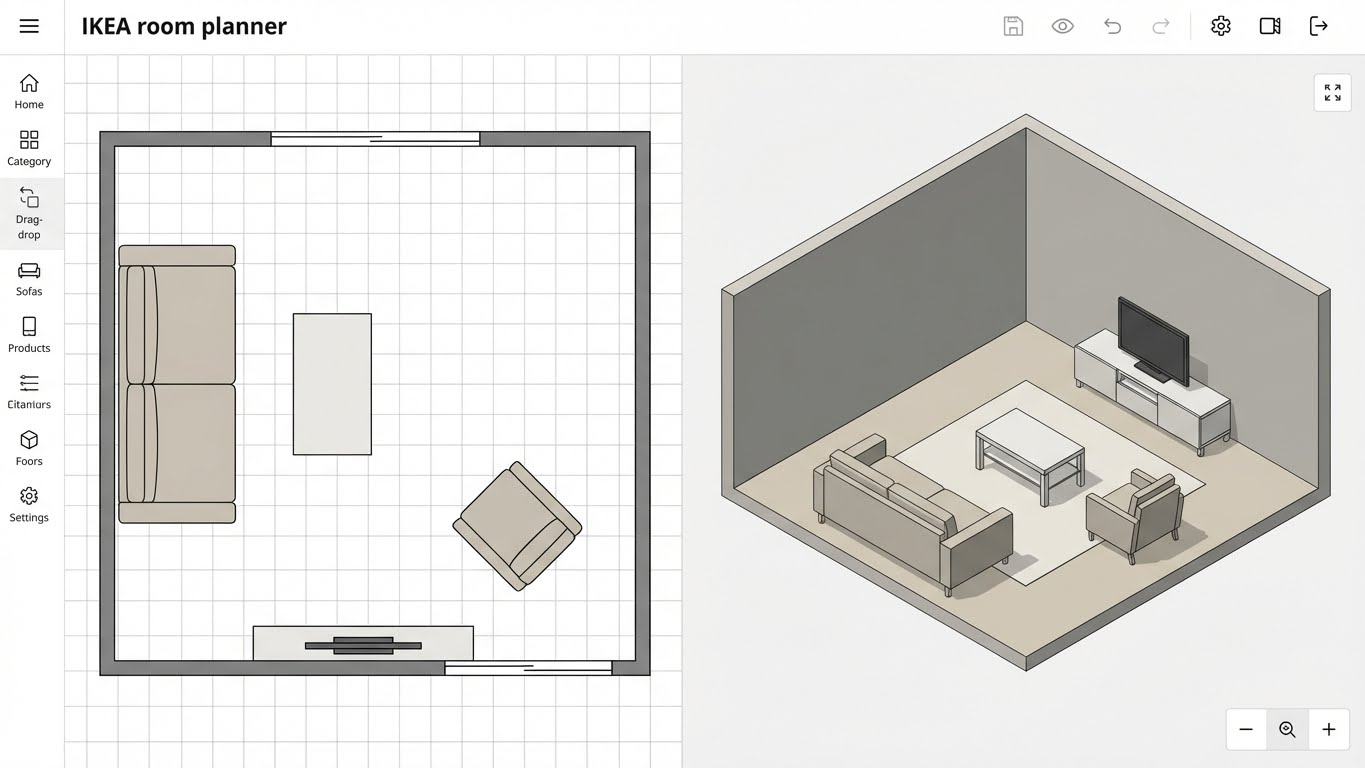
But how well does the IKEA room planner actually work in real-world planning—and when does it fall short? More importantly, what alternatives exist if you need greater flexibility, realism, or creative control?
This guide breaks down how the IKEA room planner works, what it’s best suited for, and why newer AI-powered room planners like LUMI are becoming a practical choice for modern space planning.
What Is the IKEA Room Planner?
The IKEA room planner is an online design tool created to help users plan interiors using IKEA’s furniture catalog. Depending on the room type—such as living rooms, bedrooms, or kitchens—the planner allows users to place furniture items into a virtual layout and adjust dimensions to match their space.
In essence, the IKEA room planner functions as a product-driven room layout planner. Its primary goal is not full interior design freedom, but helping users confirm whether IKEA furniture fits within a specific room.
How the IKEA 3D Room Planner Works
The IKEA 3D room planner typically follows a structured workflow:
Step 1: Define Room Dimensions
Users manually enter wall lengths, doors, and windows to create a basic room layout. Accuracy at this stage is critical, as the planner does not adapt dynamically later.
Step 2: Add IKEA Furniture
Furniture is selected exclusively from IKEA’s catalog. Each item has fixed dimensions, limiting customization beyond placement and rotation.
Step 3: Switch Between 2D and 3D Views
The 3D view helps visualize scale, but remains relatively static. Lighting, materials, and styling options are minimal compared to modern 3D room planners.
This approach makes the IKEA room planner efficient for IKEA-specific shopping, but less suitable for broader design exploration.
Strengths and Limitations of the IKEA Room Planner
Strengths
- Free and browser-based
- Accurate IKEA product dimensions
- Useful for basic furniture fit checks
Limitations
- Restricted to IKEA furniture only
- Limited realism in 3D visualization
- Manual setup with no AI assistance
- Weak support for style exploration or iteration
For users who already know exactly which IKEA products they want, the IKEA room planner can be sufficient. For everyone else, it often feels rigid.
When the IKEA Room Planner Is Not Enough
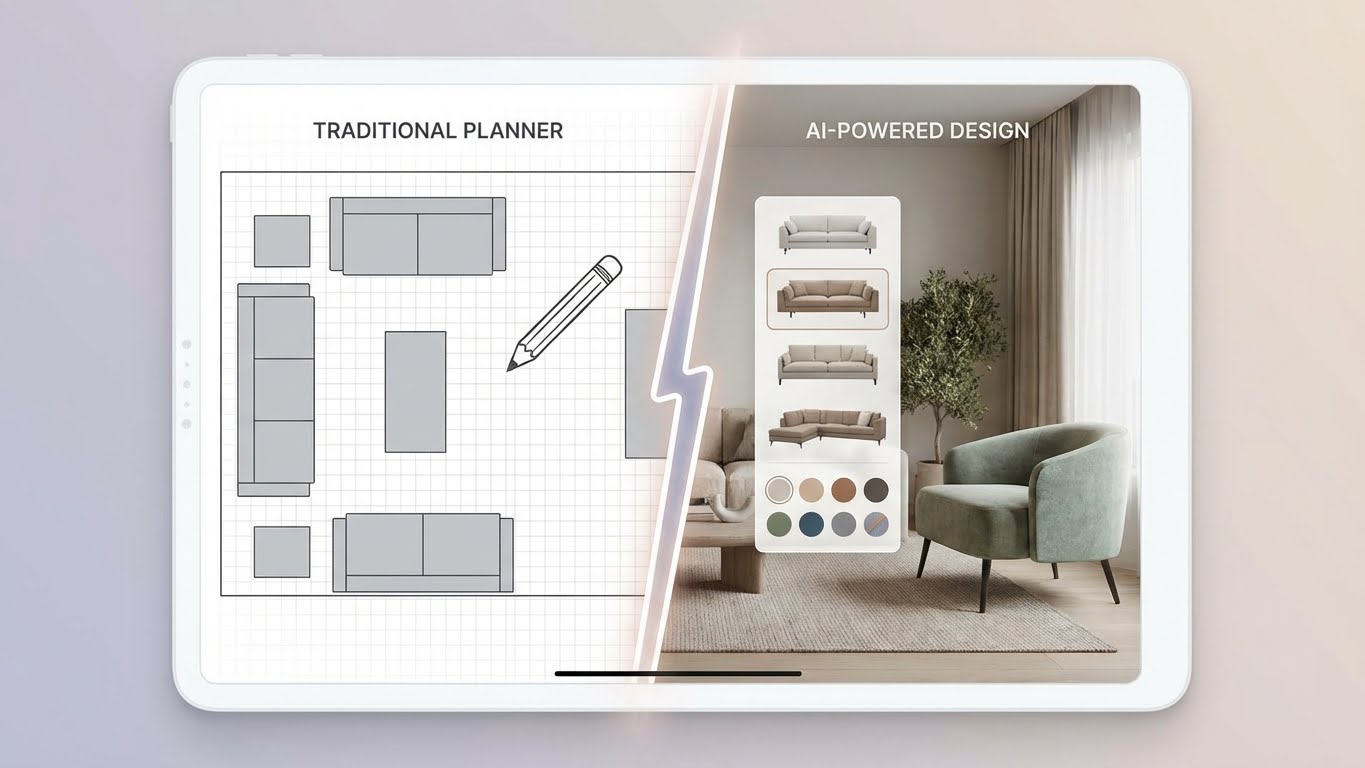
The IKEA room planner struggles in scenarios where users need:
- Rapid layout experimentation
- Style changes without rebuilding layouts
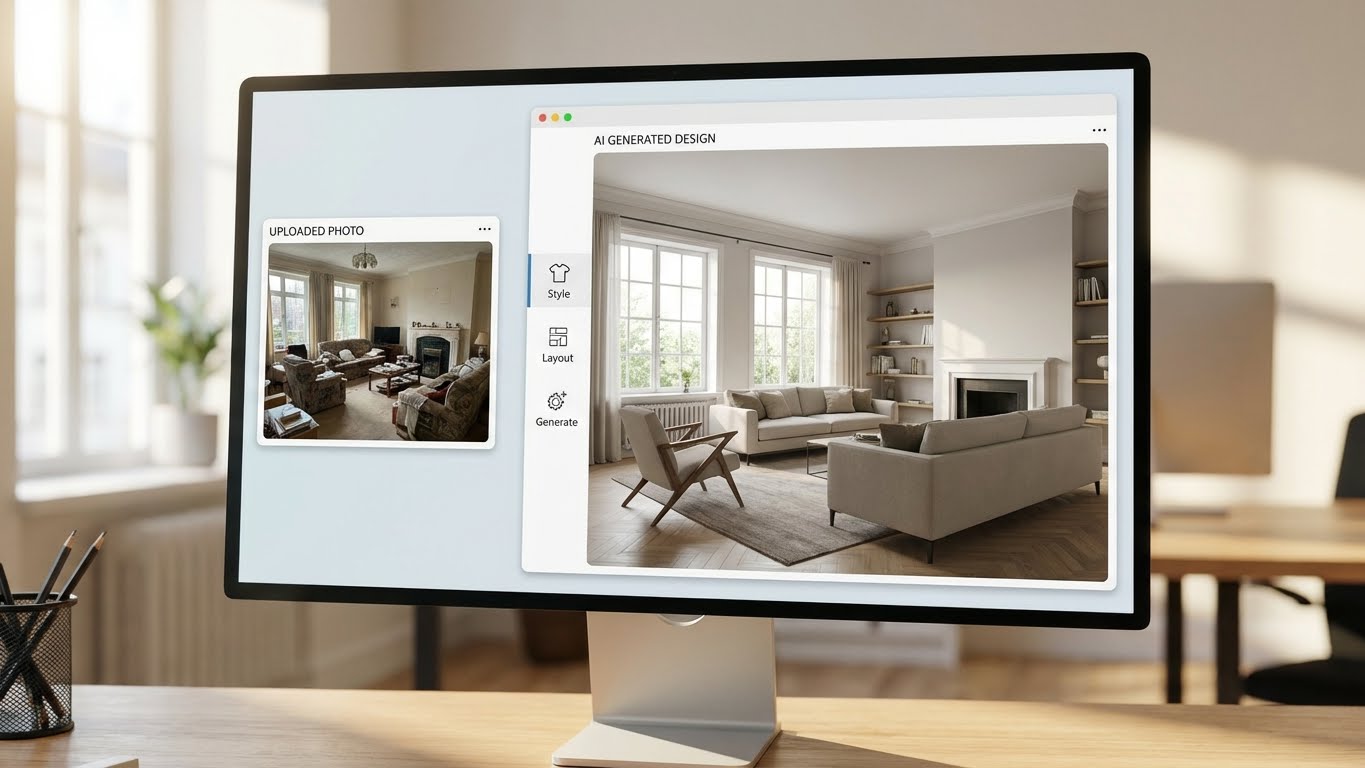
- Realistic visual previews from real room photos
- A flexible room layout planner not tied to a single brand
This is where modern AI room planners begin to offer clear advantages.
LUMI: A Smarter Alternative to the IKEA Room Planner

Unlike traditional tools, LUMI approaches room planning as a visual and spatial intelligence problem rather than a catalog constraint.
As an AI-powered room planner, LUMI allows users to upload real room photos or project images, then generate new layouts and styles while preserving the original space structure. Walls, windows, and proportions remain consistent—only the elements you want to change are reimagined.
Key advantages over the IKEA room planner include:
- Brand-agnostic room layout planning
- Faster iteration without manual rebuilding
- More realistic 3D-style visual outputs
- Better support for creative and decision-focused workflows
For users comparing multiple furniture styles or planning beyond a single retailer, LUMI functions as a next-generation 3D room planner.
Choosing the Right Room Planner for Your Needs
The IKEA room planner remains a useful entry-level tool for product-specific planning. However, if your goal is to explore layouts, test styles, or visualize possibilities beyond IKEA’s catalog, a flexible AI room planner becomes essential.
If you’re looking for:
- A room layout planner for fast experimentation
- A 3D room planner that works from real images
- A more adaptive alternative to the IKEA room planner
LUMI is designed to support those workflows with clarity and precision.