Bathroom Floor Plans (10+ Layout Templates + Size Guide)
Bathroom floor plans form the structural foundation of functional bathroom design. Whether for renovation or new construction, they define how fixtures, circulation paths, and clearances interact within a constrained space. This guide explains common bathroom floor plan layouts, typical size standards, and the practical limits of relying on floor plans alone.
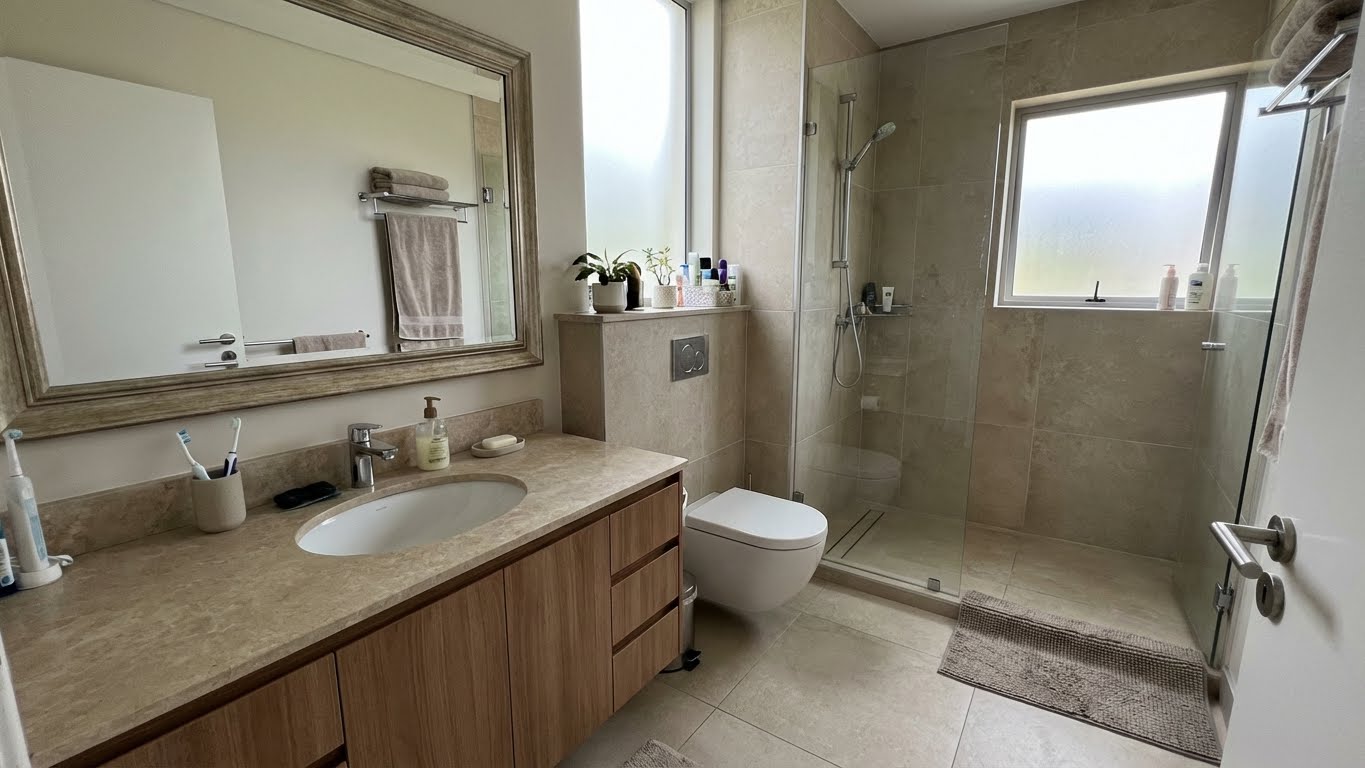
Why Bathroom Floor Plans Matter
Bathroom floor plans are not decorative diagrams. They encode functional constraints such as plumbing locations, door swings, minimum clearances, and accessibility requirements. A well-considered bathroom floor plan reduces conflicts between fixtures while preserving usability and compliance.
Unlike living spaces, bathrooms allow little margin for error. Small misalignments can block doors, restrict movement, or create installation conflicts. Floor plans surface these issues early, before construction or renovation begins.
Common Bathroom Floor Plan Templates
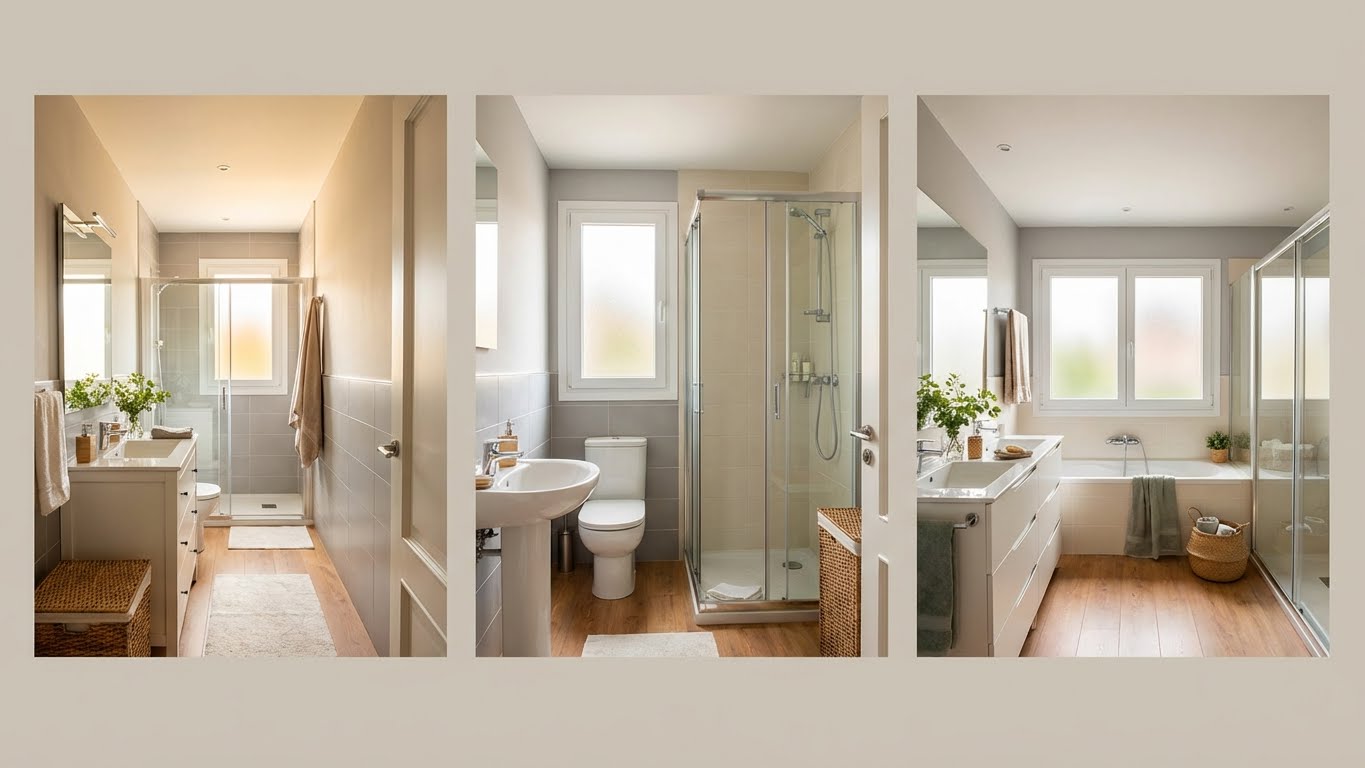
Most bathroom floor plans follow a small set of repeatable layout patterns.
Single-Wall Bathroom Layout
All fixtures are aligned along one wall. This layout is common in narrow apartments, studios, and compact guest bathrooms where plumbing efficiency is critical.
Corridor (Galley) Bathroom
Fixtures are placed on opposing walls, making efficient use of long, narrow spaces while maintaining clear circulation through the center.
L-Shaped Bathroom
This layout separates wet and dry zones, improving circulation and visual order in medium-sized bathrooms.
Three-Quarter and Full Bathroom Layouts
These bathroom floor plans balance the placement of shower, toilet, and vanity based on available square footage and usage requirements.
While templates simplify planning, they assume ideal site conditions.
Standard Dimensions and Clearance Guidelines
Bathroom floor plans typically rely on approximate dimensional standards:
- Minimum toilet clearance: ~30 inches wide
- Recommended shower size: 36 × 36 inches
- Comfortable vanity depth: 20–24 inches
These guidelines support early planning but vary by region, building code, and installation method. Floor plans show relative spacing, not construction tolerances or on-site constraints.
Where Bathroom Floor Plans Become Insufficient

Bathroom floor plans describe geometry, not reality. They cannot fully capture:
- Existing pipe locations hidden behind walls
- Ceiling height variations
- Window placement and natural light conditions
- Structural obstructions or irregular wall depths
In renovation projects, relying solely on bathroom floor plans often leads to late-stage revisions when real conditions surfaced.
Moving Beyond Static Floor Plans
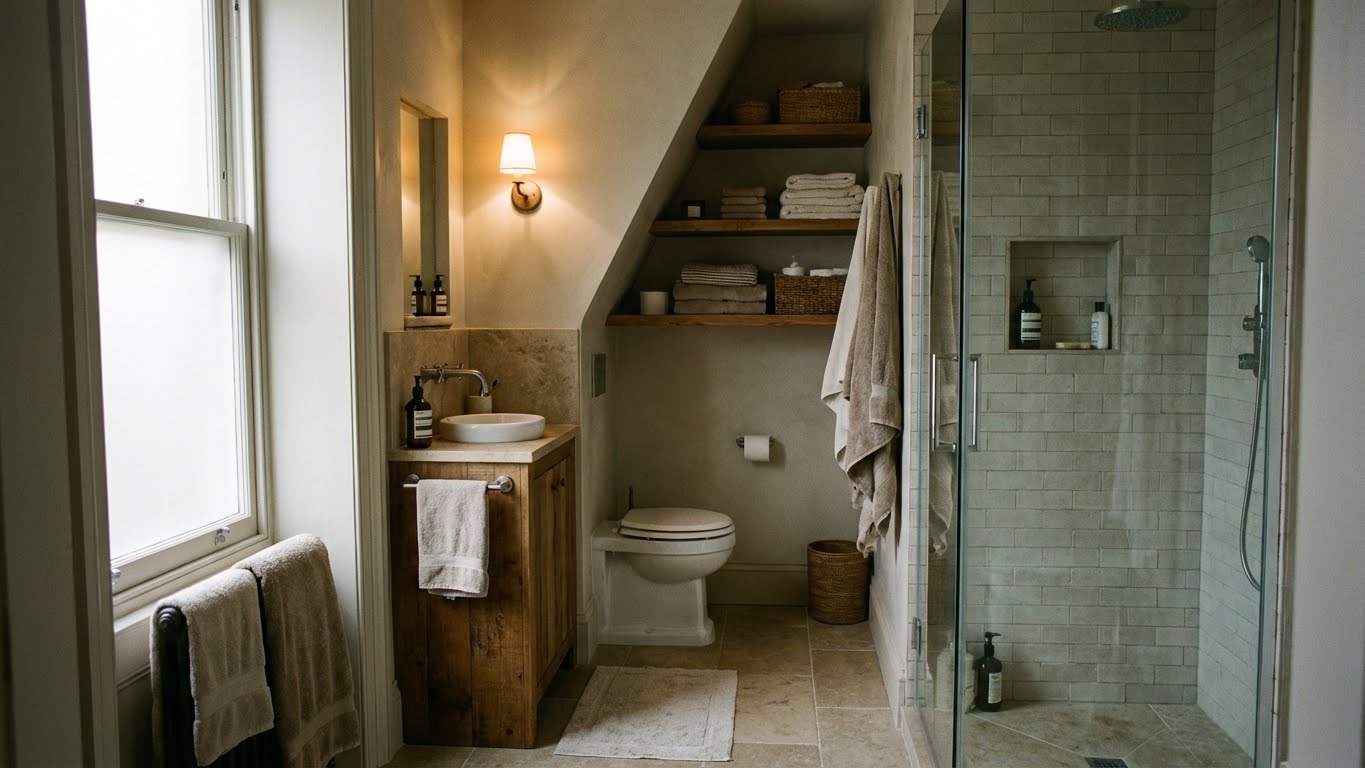
Modern planning increasingly supplements bathroom floor plans with visual context. Image-based AI tools can interpret existing bathrooms and generate layouts that respond to real spatial constraints rather than abstract assumptions.
LUMI applies this approach by transforming bathroom photos into adaptable layouts, bridging the gap between static floor plans and physical spaces.
Choosing the Right Approach for Your Bathroom
While traditional bathroom floor plans are essential for construction documents, visual tools like LUMI better serve the initial design exploration phase. By starting with the reality of your space, you can avoid the rigidity of abstract templates.
If you’re looking for:
- A cleaner way to visualize bathroom layouts
- Tools that work with your actual room photos
- A flexible alternative to static floor plans
LUMI is designed to support those workflows with clarity and precision.