Room Renovation Planner: Step-by-Step Checklist + Timeline
A room renovation planner provides structure for decisions, dependencies, and sequencing across a renovation project. While often reduced to a simple checklist, effective renovation planning depends on understanding how tasks interact over time and how they impact real physical space. Without this coordination, delays and rework become common even in small room renovations.
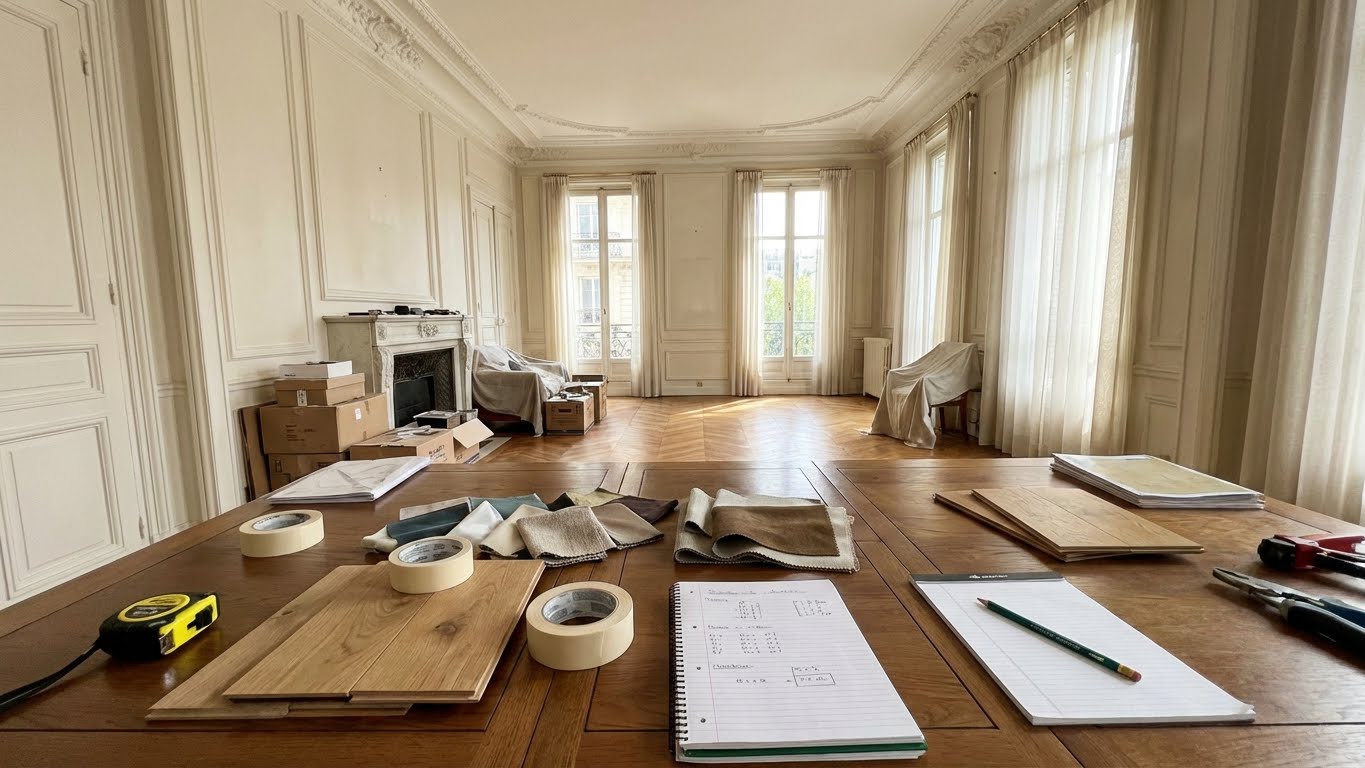
What a Room Renovation Planner Is Used For
A room renovation planner helps organize complex activities that are easy to underestimate. At its core, it supports:
- Scope definition and constraint identification
- Task sequencing across trades and materials
- Coordination between design decisions and execution
By mapping dependencies early, a room renovation planner reduces the risk of conflicts that only become visible once work has already started.
Core Steps in a Room Renovation Planner
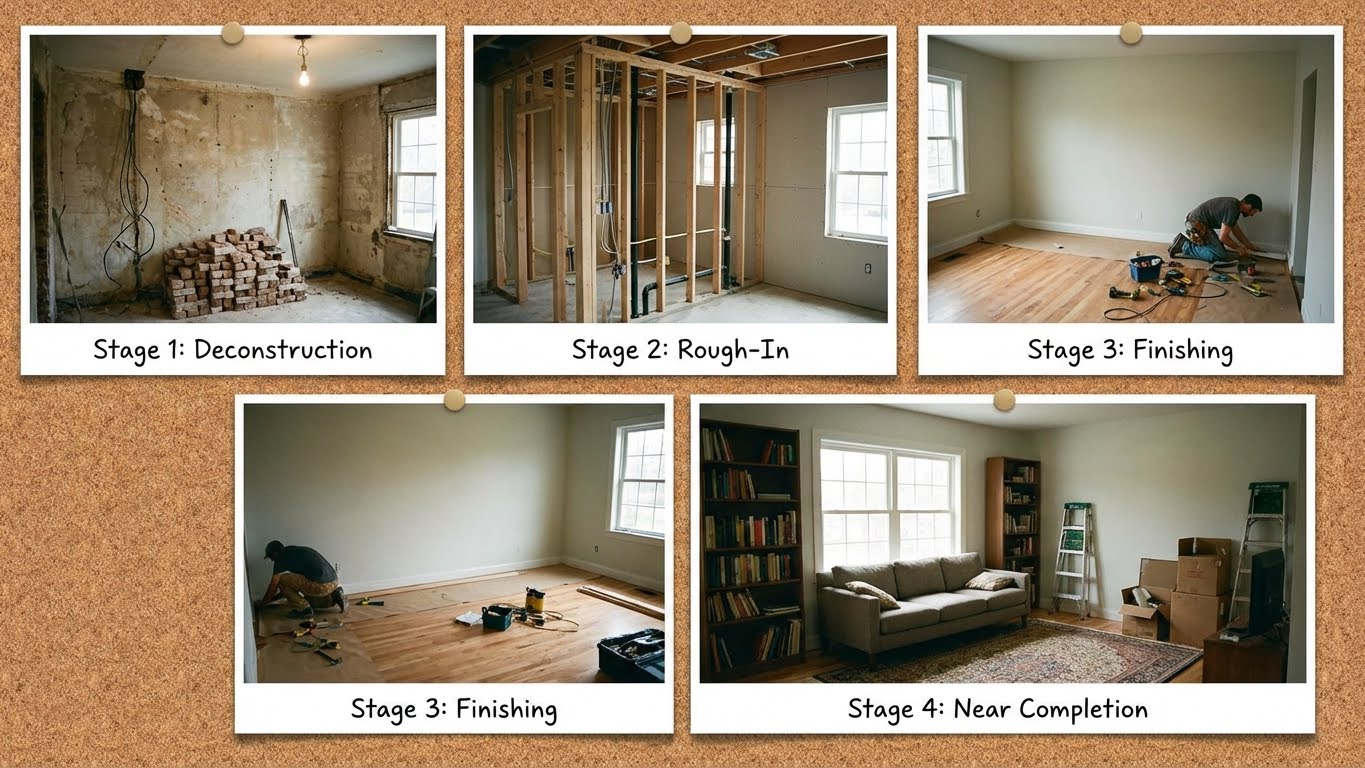
Most room renovation planners follow a predictable sequence, regardless of room type or project size.
Assessment and Measurement
Documenting existing conditions is the foundation of any renovation plan. This includes measurements, structural constraints, fixed elements, and limitations that cannot be changed later without cost.
Layout and Design Decisions
Furniture placement, circulation paths, and functional zones should be resolved before construction begins. Changes made after this stage often cascade into schedule and budget issues.
Demolition and Structural Work
Any modification to walls, ceilings, or built-in elements affects all subsequent steps. A room renovation planner ensures these tasks are completed before finishes are selected.
Finishes and Installation
Surface materials, fixtures, and furnishings depend on earlier layout and structural decisions. Sequencing errors here commonly result in rework.
Typical Renovation Timeline
A room renovation planner usually maps work across weeks rather than days. While timelines vary, most projects include:
- Planning, approvals, and sourcing
- Structural and preparatory work
- Electrical and plumbing coordination
- Finishes, fixtures, and furnishings
Delays rarely stem from individual tasks taking too long. More often, they result from tasks being performed out of sequence.
Limitations of Checklist-Based Planning
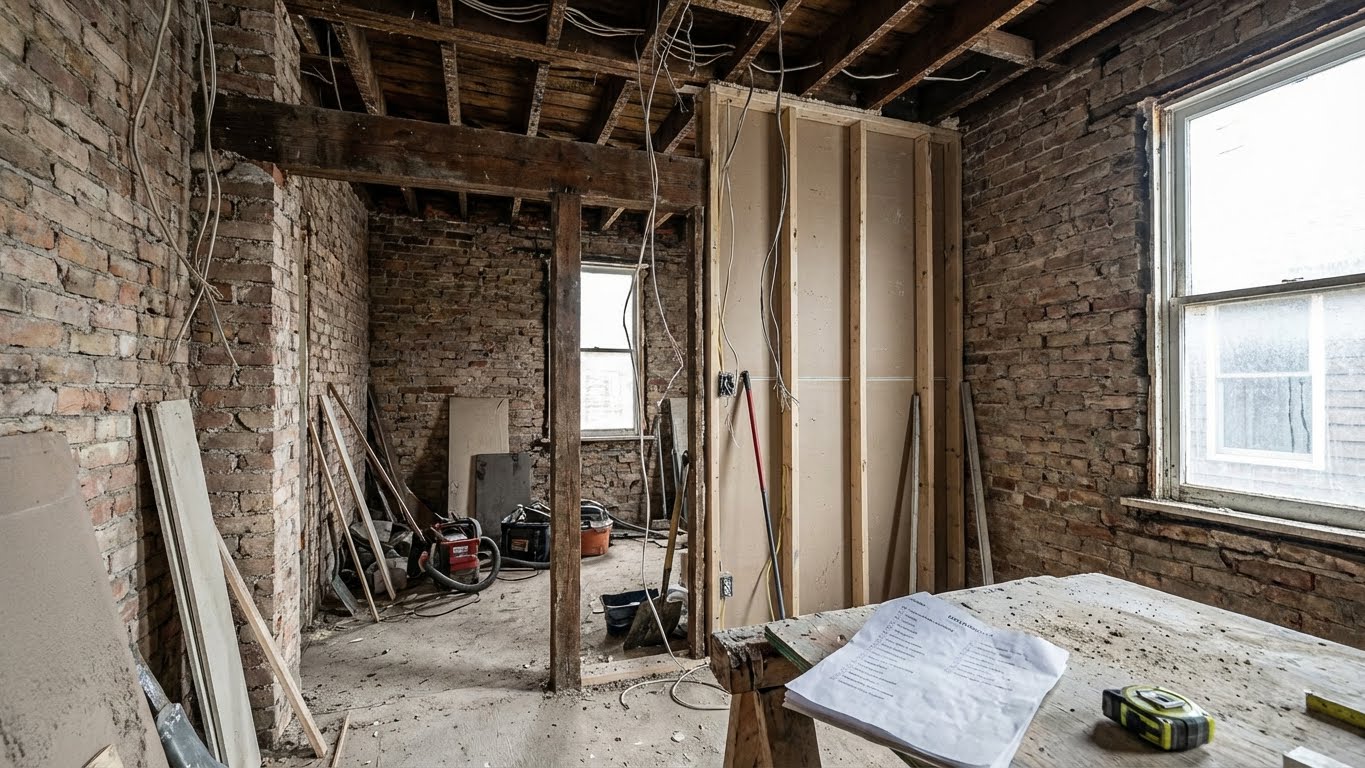
Traditional room renovation planners often rely on linear checklists. While useful for tracking tasks, they struggle with:
- Visualizing how layout decisions affect space
- Adapting to unexpected site conditions
- Communicating design changes clearly across teams
Checklists manage what needs to be done, but not how space actually changes as work progresses.
Integrating Visual Planning into Renovation
More advanced renovation planning integrates visual context alongside timelines. Image-based tools allow planners to ground decisions in real rooms rather than abstract assumptions. By interpreting photos, layouts can be evaluated and adjusted before construction begins.
LUMI supports this workflow by generating room layouts directly from visual input, complementing traditional room renovation planners with spatial awareness.
Choosing the Right Planning Approach
Traditional room renovation planners are great for tracking tasks and timelines. However, if you need to test layouts, visualize design decisions, or communicate changes clearly before work begins, a visual-first tool can make planning faster and more reliable.
If you’re looking for:
- A room renovation planner that includes visual context
- Faster layout iteration without rebuilding plans
- A clearer way to align design and execution
LUMI is designed to support those workflows with clarity and precision.